As the winter months approach, construction sites face a fresh set of challenges. Shorter days, freezing temperatures, and unpredictable weather all create extra risks- both for workers and for productivity.
While it might feel like business as usual, cold weather can quickly turn routine tasks into hazards. Slippery walkways, reduced visibility, cold stress, and equipment issues all become real concerns. With some forward planning and the right precautions, though, it’s possible to keep your site safe, compliant, and running smoothly right through winter.
This blog outlines the main winter construction risks and gives practical advice on how to reduce them- based on HSE guidance and best practices from across the industry.
Why Construction Risks Increase in Winter
Working outdoors in winter brings extra physical and environmental challenges. Cold air reduces dexterity, slows reaction times, and can make manual handling more difficult. Frost, ice, and mud create unstable ground, and shorter daylight hours mean visibility often drops just when heavy machinery and vehicles are still in use.
The HSE classifies these as foreseeable hazards- meaning employers must plan and take action to protect workers. The goal isn’t just to avoid accidents, but to keep teams healthy, comfortable, and able to do their jobs safely.
1. Slips, Trips and Falls
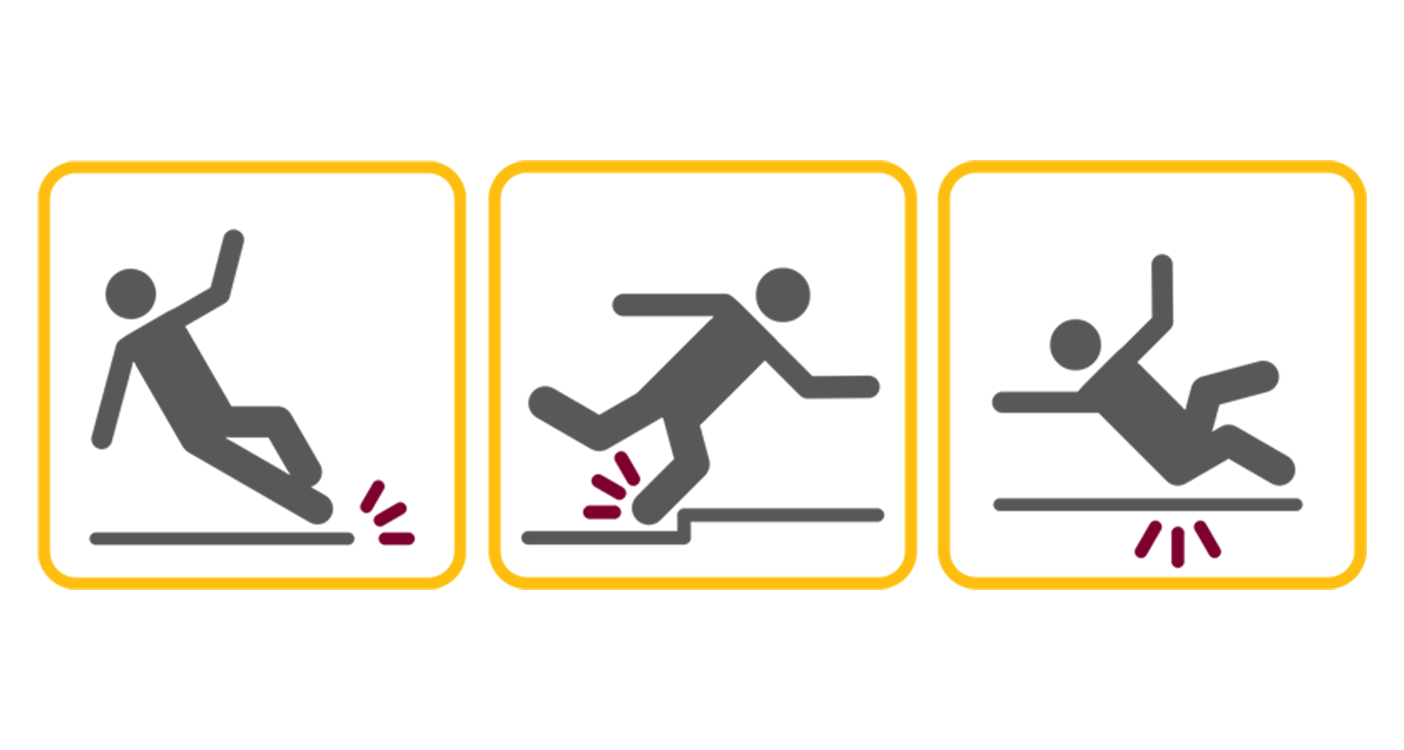
One of the biggest winter hazards on site is the increase in slips, trips, and falls. Ice, frost, and mud build up quickly on access routes, scaffolding, and steps. These may not always be visible, especially early in the morning or late in the day.
How to reduce the risk:
- Grit and clear walkways regularly- particularly before shifts begin.
- Use slip-resistant footwear with good tread.
- Keep steps, ladders, and platforms free from ice, mud, and debris.
- Provide extra lighting in darker areas and high-traffic zones.
- Encourage workers to report hazards immediately.
Even small actions, like adding temporary barriers or warning signs, can make a big difference.
2. Cold Stress and Weather-Related Health Risks
Prolonged exposure to cold weather can affect both comfort and concentration. Conditions such as cold stress, hypothermia, and frostbite can occur if workers are not properly protected.
Preventative measures:
- Provide warm, sheltered areas for breaks and meals.
- Encourage frequent rest periods in very cold weather.
- Supply or recommend suitable PPE- thermal layers, waterproof clothing, gloves, and hats.
- Rotate outdoor tasks where possible to limit exposure.
- Ensure access to warm drinks and a place to dry wet clothing.
Remember: being cold or wet for long periods doesn’t just affect comfort- it impacts alertness, decision-making, and reaction time.
3. Reduced Visibility
With shorter daylight hours and darker mornings, poor visibility becomes a serious risk on construction sites. This increases the likelihood of collisions, especially where vehicles and pedestrians share space.
What to do:
- Review lighting across the site- add temporary floodlights in darker areas.
- Make sure workers wear high-visibility PPE, especially near vehicles or plant.
- Schedule high-risk tasks (such as lifting or vehicle movements) during daylight hours where possible.
- Keep lights clean and free from condensation or dirt to maintain brightness.
Good lighting is one of the simplest and most effective winter safety measures.

4. Machinery and Equipment Issues
Cold, damp weather can cause mechanical problems. Engines take longer to start, hydraulic systems stiffen, and batteries drain faster. Frozen ground can also affect the stability of machinery.
Best practice:
- Conduct daily checks on all vehicles and equipment.
- Keep machinery sheltered or covered overnight.
- Check brakes, tyres, and hydraulic systems before use.
- Allow extra time for equipment to warm up before operation.
- Ensure operators are trained to recognise weather-related faults.
If the weather turns severe, it’s always better to delay work than risk damage or injury.

5. Fatigue and Wellbeing
Winter isn’t just physically demanding- it can also impact mental wellbeing. Working long hours in cold, dark conditions can lead to tiredness, reduced motivation, and stress.
Support your team by:
- Encouraging regular breaks and hydration.
- Holding short safety briefings or “toolbox talks” to check in with workers.
- Keeping communication open- make sure everyone feels confident to raise issues.
- Reminding staff of any wellbeing or mental health support available.
A well-rested, supported team is far more likely to stay alert, safe, and productive.

6. Legal Responsibilities and Risk Assessment
Employers have a legal duty under the Health and Safety at Work Act and Workplace (Health, Safety and Welfare) Regulations to protect employees from risks- including those caused by cold weather.
While there’s no set minimum outdoor temperature, HSE guidance states that conditions must be “reasonable.” That means conducting a seasonal risk assessment to identify:
- Tasks most affected by cold or wet conditions.
- Areas prone to ice or poor drainage.
- Lighting and visibility issues.
- Suitability of PPE and welfare facilities.
These assessments should be updated as conditions change.

Practical Tips for Safer Winter Working
Here are some simple yet effective ways to improve winter safety across your site:
- Plan ahead– Review forecasts and plan work around severe weather.
- Update safety briefings– Include winter-specific hazards in toolbox talks.
- Check welfare facilities– Make sure workers have warm, dry spaces.
- Inspect and maintain equipment– Cold affects performance, so regular checks are vital.
- Encourage reporting– Create a culture where hazards are spotted and dealt with early.
- Adjust work schedule– Prioritise daylight hours and limit exposure during the coldest periods.
Promoting a Positive Safety Culture
Winter safety isn’t just about procedures- it’s about mindset. Encouraging workers to look out for each other helps prevent incidents before they happen.
Remind your team that reporting hazards, taking breaks, and wearing the right PPE aren’t signs of weakness- they’re part of working smart. A strong safety culture builds confidence and trust, helping everyone get home safely at the end of the day.
Final Thoughts
Winter weather will always bring extra challenges to construction sites, but with planning, awareness, and teamwork, these can be managed effectively.
By carrying out proper risk assessments, maintaining equipment, and supporting workers’ wellbeing, you can reduce incidents and keep projects running efficiently- no matter how cold it gets.
If you’d like tailored guidance on winter risk assessments, PPE selection, or site safety training, our team can help. We provide expert support to ensure your site stays compliant, safe, and ready for whatever winter brings.
Stay safe, stay warm, and keep safety at the heart of everything you do.
Welcome to the final part of our Cyber Security Awareness Month series!
So far, we've explored why cybersecurity matters and the type of threats that can impact your business. In this final blog, we'll focus on the most important part- how to stay safe online and protect your people, data, and reputation.
Just as workplace health and safety depends on good habits and awareness, digital safety relies on everyday actions. The goal isnt to eliminate all risk (thats impossible), but to build resilience, so your organisation can prevent, detect, and recover from incidents effectively.
The 5Cs of Cybersecurity
A practical way to strengthen your organisation's cyber resilience is to follow the 5Cs of Cybersecurity- a simple framework that covers the foundations of good cyber hygiene:
- Control
- Compliance
- Confidentiality
- Continuity
- Capacity
Lets explore what each one means in real terms.
Control
Just like in physical safety, control is about knowing who can access what. Not everyone in your organisation needs to every system or file.
Implementing role-based access ensures that staff only see the data relevant to their job. Combine this with:
- Strong password policies (encouraging unique, complex passwords).
- Multi- factor authentication (MFA) to add an extra layer of protection.
- Regular access reviews to remove inactive or outdated accounts.
- Control also means setting up technical barriers- like firewalls and endpoint protection- to reduce unauthorised access.
Remember: prevention starts with limiting opportunity.
Compliance
Cybersecurity isnt just good practice; its a legal requirement.
Under the UK GDPR and Data Protection Act 2018, organisations must take "appropriate technical and organisation measures" to protect personal data.
Compliance also builds trust with customers and partners. It shows that your organisation takes data protection seriously and follows recognised best practices.
To stay compliant:
- Review your data protection policies regularly.
- Carry out risk assessments and document your controls.
- Train staff on handling personal information responsibly.
- Follow guidance from the National Cyber Security Centre (NCSC) and Information Commissioner’s Office (ICO).
Compliance doesn’t just protect you from fines- it protects your reputation.
Confidentiality
Confidentiality ensures that data is only accessed by authorised people.
Breaches of confidentiality can happen in many ways- from phishing attacks to misplaced laptops.
To protect your data:
- Encrypt sensitive files and communications.
- Use secure platforms for file sharing and storage.
- Encourage a “need-to-know” approach to information access.
- Train staff to recognise phishing and fake login pages.
Simple habits make a big difference: locking screens when away from desks, shredding printed documents, and verifying requests before sharing information.
When confidentiality is compromised, trust is broken. Safeguarding information is key to maintaining confidence with your clients, learners, and staff.
Continuity
Even with strong defences, no system is 100% secure. That’s why continuity planning is essential.
It’s about ensuring your business can keep operating- or recover quickly- if something goes wrong.
Ask yourself:
- Do you have regular backups stored securely (ideally off-site or in the cloud)?
- Have you tested your incident response plan?
- Would staff know who to contact and what to do if systems were compromised?
- Are you insured or financially prepared for disruption?
Having backups and a clear plan means you can bounce back faster and limit the impact on customers. Continuity is the bridge between prevention and recovery.
Capacity
The final “C” is all about people.
Even with the best technology, your organisation is only as strong as the awareness of your team. Human error remains the biggest cause of cyber incidents.
Building capacity means:
- Providing regular cyber awareness training.
- Encouraging staff to report suspicious activity early.
- Creating a no-blame culture- mistakes happen, but quick reporting prevents bigger problems.
- Staying up to date with the latest scams and guidance from trusted sources like the NCSC.
Empowered staff are the best protection against cyber threats.
Good Cyber Hygiene: Simple Steps to Stay Safe Online
Cybersecurity doesn’t have to be complicated. Many of the best defences come down to good digital habits:
- Use strong, unique passwords- and never reuse them. Consider a password manager.
- Enable multi-factor authentication (MFA) on all important accounts.
- Keep systems and software updated- patches fix known security weaknesses.
- Back up data regularly- to a secure, separate location.
- Be cautious with links and attachments- stop, think, verify before clicking.
- Secure your Wi-Fi- use strong passwords and avoid public networks for sensitive tasks.
- Limit personal device use on business networks.
- Monitor access and review who has permissions to sensitive systems.
These may sound simple, but collectively they reduce your risk significantly.
Building a Culture of Cyber Awareness
Creating a cyber-secure workplace is not just about policies- it’s about culture. Everyone should feel responsible for keeping information safe.
Here’s how to embed that culture:
- Start conversations about digital safety in team meetings.
- Celebrate good practice- acknowledge staff who spot phishing attempts.
- Include cybersecurity in induction and refresher training.
- Encourage openness- if something goes wrong, reporting it quickly helps the whole team.
Just like health and safety, cybersecurity should be part of daily behaviour, not an afterthought.
The Bigger Picture
Cybersecurity isn’t just about avoiding fines or preventing downtime- it’s about trust, resilience, and professionalism.
In the same way that workplace safety protects people from harm, cybersecurity protects the data, systems, and relationships that keep your business running.
By following the 5Cs of Cybersecurity, practising good hygiene, and fostering a culture of awareness, you can protect your organisation from today’s most common digital threats- and build resilience for whatever comes next.
Good news for local businesses- the Business Gateway Expert Help scheme is continuing into this tax year, with the ongoing focus on helping businesses to grow.
Through this scheme, eligible businesses can access specialist consultancy support, typically covering up to two days of funded expert advice. For many, this represents a valuable opportunity to strengthen important areas of their business without the added financial burden.
How Expert Help Can Support Health & Safety
One of the most practical applications of the scheme is in supporting businesses with their Health & Safety arrangements. Expert consultancy can be provided in areas such as:
- Setting up or updating a Health & Safety policy
- Creating or reviewing a Health & Safety manual
- Carrying out risk assessments
- Auditing current arrangements to ensure compliance
- Developing a clear emergency plan
- Conducting DSE (Display Screen Equipment) assessments
These measures not only support compliance with legislation but also contribute to long-term business growth by fostering safer, more efficient, and more resilient workplaces.
Important Notes on Eligibility
The Expert Help programme is a Business Gateway scheme, and eligibility is assessed directly by them. A few key points to be aware of:
- There is a cap on government support a business can receive through this initiative- currently £2,870 within a two-year period.
- Consultancy support is subject to Business Gateway's approval.
You can find the full details of the scheme here: Business Gateway Fife- Specialist Business Advice
Next Steps- How to Access Support
Raeburn Training can assist businesses who are interested in accessing this support. In the first instance, we encourage organisations to contact our team directly for an informal discussion. We will then guide you through the next steps and ensure you are connected with the appropriate support through the Expert Help programme.
This is a valuable opportunity to access expert knowledge, strengthen business foundations, and focus on sustainable growth in the year ahead. We encourage any organisation considering improvements to their Health & Safety arrangements to explore the support available through the Expert Help scheme.