As the winter months approach, construction sites face a fresh set of challenges. Shorter days, freezing temperatures, and unpredictable weather all create extra risks- both for workers and for productivity.
While it might feel like business as usual, cold weather can quickly turn routine tasks into hazards. Slippery walkways, reduced visibility, cold stress, and equipment issues all become real concerns. With some forward planning and the right precautions, though, it’s possible to keep your site safe, compliant, and running smoothly right through winter.
This blog outlines the main winter construction risks and gives practical advice on how to reduce them- based on HSE guidance and best practices from across the industry.
Why Construction Risks Increase in Winter
Working outdoors in winter brings extra physical and environmental challenges. Cold air reduces dexterity, slows reaction times, and can make manual handling more difficult. Frost, ice, and mud create unstable ground, and shorter daylight hours mean visibility often drops just when heavy machinery and vehicles are still in use.
The HSE classifies these as foreseeable hazards- meaning employers must plan and take action to protect workers. The goal isn’t just to avoid accidents, but to keep teams healthy, comfortable, and able to do their jobs safely.
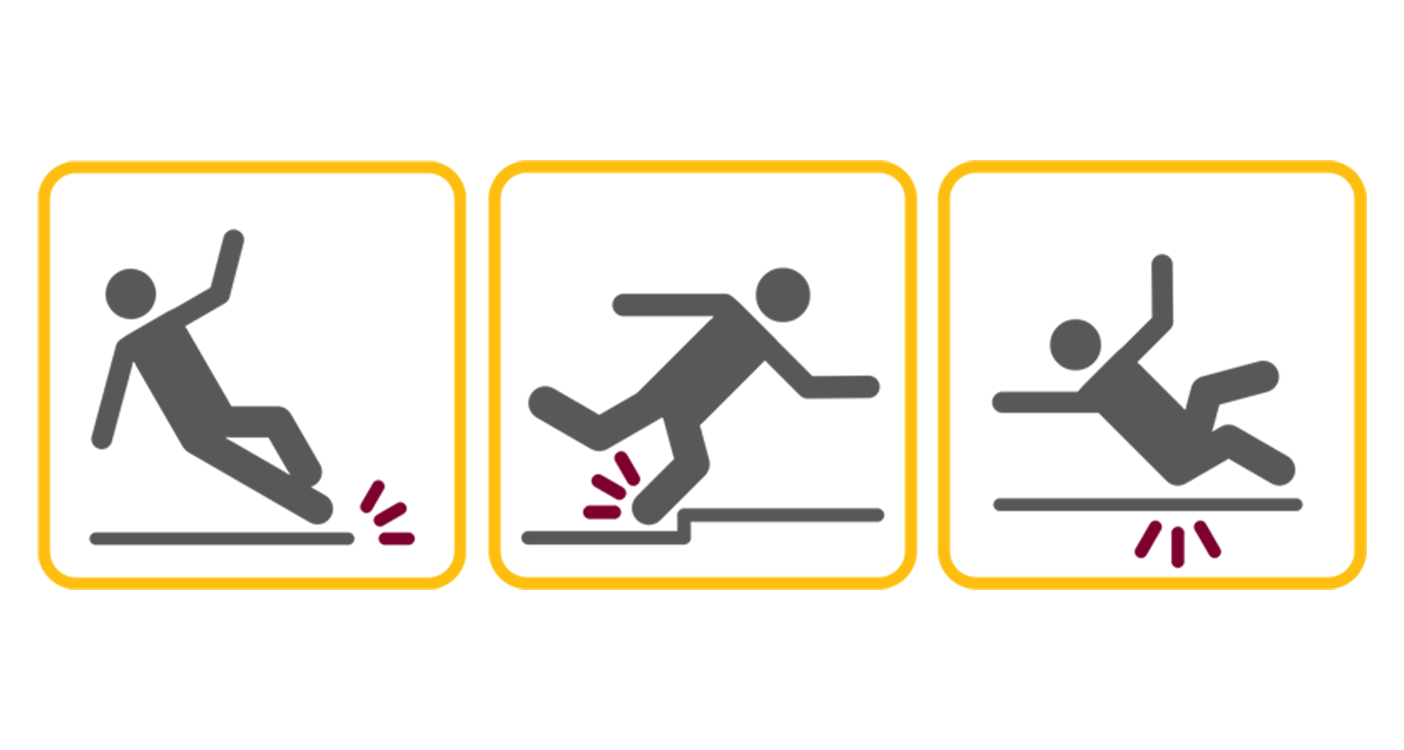
1. Slips, Trips and Falls
One of the biggest winter hazards on site is the increase in slips, trips, and falls. Ice, frost, and mud build up quickly on access routes, scaffolding, and steps. These may not always be visible, especially early in the morning or late in the day.
How to reduce the risk:
- Grit and clear walkways regularly- particularly before shifts begin.
- Use slip-resistant footwear with good tread.
- Keep steps, ladders, and platforms free from ice, mud, and debris.
- Provide extra lighting in darker areas and high-traffic zones.
- Encourage workers to report hazards immediately.
Even small actions, like adding temporary barriers or warning signs, can make a big difference.
2. Cold Stress and Weather-Related Health Risks
Prolonged exposure to cold weather can affect both comfort and concentration. Conditions such as cold stress, hypothermia, and frostbite can occur if workers are not properly protected.
Preventative measures:
- Provide warm, sheltered areas for breaks and meals.
- Encourage frequent rest periods in very cold weather.
- Supply or recommend suitable PPE- thermal layers, waterproof clothing, gloves, and hats.
- Rotate outdoor tasks where possible to limit exposure.
- Ensure access to warm drinks and a place to dry wet clothing.
Remember: being cold or wet for long periods doesn’t just affect comfort- it impacts alertness, decision-making, and reaction time.

3. Reduced Visibility
With shorter daylight hours and darker mornings, poor visibility becomes a serious risk on construction sites. This increases the likelihood of collisions, especially where vehicles and pedestrians share space.
What to do:
- Review lighting across the site- add temporary floodlights in darker areas.
- Make sure workers wear high-visibility PPE, especially near vehicles or plant.
- Schedule high-risk tasks (such as lifting or vehicle movements) during daylight hours where possible.
- Keep lights clean and free from condensation or dirt to maintain brightness.
Good lighting is one of the simplest and most effective winter safety measures.

4. Machinery and Equipment Issues
Cold, damp weather can cause mechanical problems. Engines take longer to start, hydraulic systems stiffen, and batteries drain faster. Frozen ground can also affect the stability of machinery.
Best practice:
- Conduct daily checks on all vehicles and equipment.
- Keep machinery sheltered or covered overnight.
- Check brakes, tyres, and hydraulic systems before use.
- Allow extra time for equipment to warm up before operation.
- Ensure operators are trained to recognise weather-related faults.
If the weather turns severe, it’s always better to delay work than risk damage or injury.

5. Fatigue and Wellbeing
Winter isn’t just physically demanding- it can also impact mental wellbeing. Working long hours in cold, dark conditions can lead to tiredness, reduced motivation, and stress.
Support your team by:
- Encouraging regular breaks and hydration.
- Holding short safety briefings or “toolbox talks” to check in with workers.
- Keeping communication open- make sure everyone feels confident to raise issues.
- Reminding staff of any wellbeing or mental health support available.
A well-rested, supported team is far more likely to stay alert, safe, and productive.

6. Legal Responsibilities and Risk Assessment
Employers have a legal duty under the Health and Safety at Work Act and Workplace (Health, Safety and Welfare) Regulations to protect employees from risks- including those caused by cold weather.
While there’s no set minimum outdoor temperature, HSE guidance states that conditions must be “reasonable.” That means conducting a seasonal risk assessment to identify:
- Tasks most affected by cold or wet conditions.
- Areas prone to ice or poor drainage.
- Lighting and visibility issues.
- Suitability of PPE and welfare facilities.
These assessments should be updated as conditions change.

Practical Tips for Safer Winter Working
Here are some simple yet effective ways to improve winter safety across your site:
- Plan ahead– Review forecasts and plan work around severe weather.
- Update safety briefings– Include winter-specific hazards in toolbox talks.
- Check welfare facilities– Make sure workers have warm, dry spaces.
- Inspect and maintain equipment– Cold affects performance, so regular checks are vital.
- Encourage reporting– Create a culture where hazards are spotted and dealt with early.
- Adjust work schedule– Prioritise daylight hours and limit exposure during the coldest periods.
Promoting a Positive Safety Culture
Winter safety isn’t just about procedures- it’s about mindset. Encouraging workers to look out for each other helps prevent incidents before they happen.
Remind your team that reporting hazards, taking breaks, and wearing the right PPE aren’t signs of weakness- they’re part of working smart. A strong safety culture builds confidence and trust, helping everyone get home safely at the end of the day.
Final Thoughts
Winter weather will always bring extra challenges to construction sites, but with planning, awareness, and teamwork, these can be managed effectively.
By carrying out proper risk assessments, maintaining equipment, and supporting workers’ wellbeing, you can reduce incidents and keep projects running efficiently- no matter how cold it gets.
If you’d like tailored guidance on winter risk assessments, PPE selection, or site safety training, our team can help. We provide expert support to ensure your site stays compliant, safe, and ready for whatever winter brings.
Stay safe, stay warm, and keep safety at the heart of everything you do.
In the fast-paced and often high-pressure world of construction, the wellbeing of workers can too easily be overlooked. Long hours, physically demanding labour, tight deadlines, and financial insecurity can all take a heavy toll and, when combined, these pressures can push people into crisis.
That's why we are taking the opportunity to shine a spotlight on The Lighthouse Construction Industry Charity, the only organisation 100% dedicated to supporting the construction community across the UK and Ireland.
Their mission is simple yet powerful: to ensure that no construction worker or their family ever feels alone in a crisis. Through free, confidential, and round-the-clock emotional, physical, and financial wellbeing support, they are transforming lives across the industry one call, one site visit, one conversation at a time.
Origins and Mission
The Lighthouse Charity traces its roots back to 1956, when a group of construction professionals attending a Ministry of Public Buildings & Works exhibition in Whitley Bay pledged to create a beacon for those in need within the industry.
Today, that vision has evolved into a modern, multi-faceted charity that provides free and confidential support across three core pillars: emotional, physical, and financial wellbeing.
What Lighthouse Does: Services & Programmes
Lighthouse’s support is built to be holistic and accessible, meeting people wherever they are- on the phone, online, or on site. Here’s a breakdown of their principal services and programmes:
1. 24/7 Helpline
- A free confidential helpline that operates 24/7 across the UK (0345 605 1956) and ROI (1800 939 122).
- Offers support to anyone working in construction or the trades- whether its help with stress, debt, illness, relationship breakdowns, or suicidal thoughts. Trained advisers are always ready to listen, reassure, and help.
2. Digital Support
- Live chat support, accessible via the website, allowing people to initiate conversations in real time. The chat service supports over 120 languages.
- Text HARDHAT: for those who prefer messaging, they can send “HARDHAT” to 85258 (UK) or 50808 (ROI) to receive one-to-one support.
- A Self-Support App, which includes self-help tools, assessments, coping strategies, and referral pathways to accredited organisations.

3. Critical Incident Support Team
- When tragedy strikes on site, the charity’s critical incident support team is there to respond- offering trauma-informed support to anyone affected by serious accidents or fatalities.
- They offer psychological first aid, group support, individual counselling, and follow-up in line with NHS or clinical guidelines.
- In 2024 alone, the team supported more than 1,000 people following critical incidents, helping them process trauma and begin recovery.
4. Lighthouse Beacons and On-Site Presence
- Lighthouse Beacons are local volunteer hubs across the UK & Ireland. These are safe, face-to-face spaces for people to connect, share, and support one another.
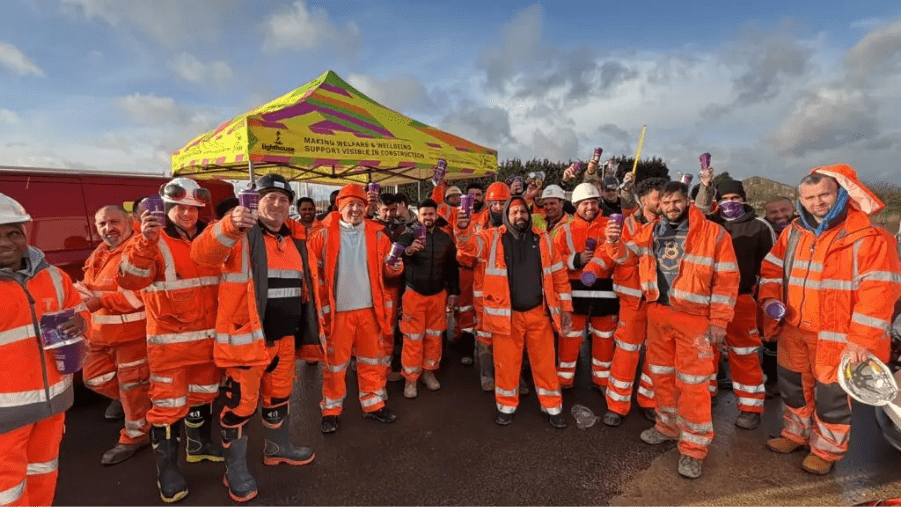
- #MakeItVisible On-Site Campaign: A team visits construction sites, hire yards, merchants, and other industry locations to raise awareness, break the stigma around mental health, and ensure workers know what support is available.
- By going on sites, Lighthouse makes itself visible and accessible- not waiting for people to come to them.

5. Financial & Welfare Support
Because wellbeing is more than mental health, Lighthouse also supports:
- Emergency financial grants for workers and families facing crisis (illness, injury, unemployment, bereavement)
- Advice and support on tax, debt, benefit entitlements, budgeting, CIS, legal concerns, employment rights, etc
- Support in accessing third-party and statutory funding, ensuring caseworkers help people navigate complex systems to relieve pressure.
Measurable Impact
The charity’s 2024 Impact Report tells a story of growth, compassion, and measurable change. Over the past year, more workers have reached out for help- with a 29% increase in support requests, resulting in 5,696 families receiving vital assistance.
In total, Lighthouse delivered over £5 million in charitable support, handled more than 11,000 helpline calls, and delivered 5,761 counselling and mentoring sessions. They delivered 5,684 family meals and engaged 28,070 site operatives.
Behind each number is a story of hope- a tradesman overcoming addiction, a joiner’s family rebuilding life after a stroke, a survivor of domestic abuse finding safety and confidence, or a worker finally breaking free from isolation. The Lighthouse Charity doesn't just respond to crises; it restores dignity, stability, and belief in a better tomorrow.
#MakeItVisible: Breaking the Silence on Site
Mental health stigma remains one of construction’s biggest challenges- but Lighthouse is changing that, one site at a time.
Through the #MakeItVisible On Site campaign, dedicated teams travel across the UK & Ireland, visiting construction sites, hire yards, and offices to start open conversations about wellbeing. In 2024, they visited 574 sites and engaged directly with over 28,000 workers.
These visits save lives. Last year, 88 workers disclosed suicidal thoughts to the team- and each one was immediately connected to professional support and follow-up care.
Team members often share their own lived experiences, making these sessions relatable and authentic. As one industry partner put it:
“The #MakeItVisible tour is incredible. Its honest, down to earth, and full of real- life experiences that people can truly relate to.”

Wellbeing Academy
Beyond crisis intervention, Lighthouse is helping to reshape construction’s culture through education. The Wellbeing Academy offers free and subsided training to help individuals and organisations build resilience and awareness.
In 2024 alone, more than 4,700 learners completed courses. Topics range from Mental Health First Aid, Suicide Awareness, and Managing Mental Health in the Workplace, to Menopause Awareness, Resilience Building, and Financial Wellbeing.
These programmes empower workers to look out for one another, foster empathy, and create safer, more supportive environments across and levels of the industry.

Why Lighthouse Matters
Construction is an inherently risky sector. Its demanding, unpredictable, and often isolating. Many workers face short-term contracts, long commutes, or financial instability. Add to this the physical toll of labour and the cultural stigma around seeking help- and the result can be devastating.
Lighthouse breaks through these barriers. It offers a hand when pride, fear, or lack of access might otherwise stop someone reaching out. It reminds us that asking for help is not a weakness, but a strength.
As Sarah Bolton, CEO of the Lighthouse Charity, explains:
“Emotional, physical, and financial wellbeing are intrinsically linked- and we’re here to help our community build healthy, sustainable futures.”
How the Industry Can Support
Lighthouse receives no government funding- every helpline call, counselling session, or rescue is made possible by donations, partnerships, and fundraising within the industry.
Here’s how companies and individuals can help:
- Become a Lighthouse Company Supporter- pledge annual support and gain access to free wellbeing training and campaign materials.
- Promote awareness- share helpline details at inductions, toolbox talks, and staff areas.
- Host #MakeItVisible visits- invite the team to your sites and projects.
- Fundraise- organise events, challenges, or Lighthouse Days.
- Champion wellbeing- talk openly, lead by example, and embed support in your culture.
Help is Here
If you or someone you know works in construction and is struggling, remember- help is here.
- UK Helpline: 0345 605 1956
- ROI Helpline: 1800 939 122
- Text HARDHAT: 85258 (UK) / 50808 (ROI)
- Live Chat: lighthouseclub.org | makeitvisible.info
Together, we can build a safer, stronger, and more compassionate construction industry- one where no worker ever has to face a crisis alone.

The Health and Safety Executive (HSE) recently issued updated guidance on the importance of controlling hazardous substances in the workplace. These reminders are especially relevant to the construction industry, where workers are often exposed to harmful dust, fumes, chemicals, and solvents.
Complying with the Control of Substances Hazardous to Health (COSHH) regulations is not only a legal duty but also a vital part of safeguarding employees' long-term health and ensuring a safe, productive workplace.
What is COSHH?
COSHH stands for the Control of Substances Hazardous to Health. These UK regulations require employers to control substances that could be harmful to health, including:
- Chemicals and solvents
- Fumes, dust, vapours, and gases
- Biological agents such as bacteria and viruses
Exposure to these substances can lead to a range of health problems, from skin conditions and asthma to repiratory diseases and even cancer.
In construction, common examples include:
- Asbestos
- Silica dust from cutting, grinding, or sanding
- Cement dust and bitumen
- Solvents, adhesives, and paints
- Diesel exhaust fumes
Why COSHH Matters?
Failure to comply with COSHH can have severe consequences:
- Health risks for employees- respiratory illnesses, skin conditions, long-term diseases
- Legal and financial penalties- fines, enforcement action, and compensation claims
- Reputational damage- loss of trust, contracts, and business opportunities
A recent HSE case illustrates this risk: a chemical company was fined £100,000 after a worker suffered severe burns from a faulty steam hose. Inadequate maintenance and poor safety measures were to blame- highlighting why COSHH compliance is non-negotiable.
Employer Responsibilities Under COSHH
Employers must take a structured approach to managing hazardous substances. This includes:
- Risk Assessment- Identify hazardous substances, understand how exposure happens, and evaluate the risks.
- Control Measures- Eliminate hazardous substances where possible- or substitute with safer alternatives. Use engineering controls (e.g., local exhuast ventiliation) and provide safe storage solutions.
- PPE- Where risks cannot be controlled otherwise, supply appropriate Personal Protective Equipment such as masks, gloves, and goggles.
- Training & Information- Ensure workers know the risks, understand how to use controls safely, and are aware of emergency procedures. Raeburn Training can arrange both classroom based or online training, based on your teams requirements. Get in touch for more information.
- Monitoring & Health Surveillance- Regularly review exposure levels and carry out health checks where needed.
- Maintenance & Records- Keep equipment in good working order, log risk assessments, training, and monitoring activites.
- Emergency Preparedness- Have plans in place for spills, leaks, or accidents.

The Role of Training
Training is central to effective COSHH management. Workers need to:
- Understand the risks of the substances they handle.
- Know how to use protective measures and equipment properly.
- Be prepared for emergencies.
Employers should tailor training to their specific workplace and update it regularly. Ongoing refresher courses help ensure safety standards remain high and that businesses stay compliant with HSE requirements.
Best Practices for Businesses
To build a strong safety culture and meet COSHH obligations:
- Clearly label all hazardous substances with the correct hazard symbols
- Keep an up-to-date COSHH register of all materials
- Regularly review and refresh risk assessments
- Ensure PPE is available, maintained, and used correctly
- Involve employees in safety discussions and encourage reporting of hazards
Conclusion
Managing COSHH risks is a shared responsibility. By assessing hazards, implementing controls, and providing proper training, businesses can not only comply with the law but also protect their most valuable asset: their people.
A safe workplace boosts productivity, reduces absences, and builds trust between employers and employees.
Are you COSHH compliant? Now is the perfect time to review your workplace procedures and ensure your business meets all the required standards. If you are not sure where to start, our Health and Safety Consultants are here to help.
Good news for local businesses- the Business Gateway Expert Help scheme is continuing into this tax year, with the ongoing focus on helping businesses to grow.
Through this scheme, eligible businesses can access specialist consultancy support, typically covering up to two days of funded expert advice. For many, this represents a valuable opportunity to strengthen important areas of their business without the added financial burden.
How Expert Help Can Support Health & Safety
One of the most practical applications of the scheme is in supporting businesses with their Health & Safety arrangements. Expert consultancy can be provided in areas such as:
- Setting up or updating a Health & Safety policy
- Creating or reviewing a Health & Safety manual
- Carrying out risk assessments
- Auditing current arrangements to ensure compliance
- Developing a clear emergency plan
- Conducting DSE (Display Screen Equipment) assessments
These measures not only support compliance with legislation but also contribute to long-term business growth by fostering safer, more efficient, and more resilient workplaces.
Important Notes on Eligibility
The Expert Help programme is a Business Gateway scheme, and eligibility is assessed directly by them. A few key points to be aware of:
- There is a cap on government support a business can receive through this initiative- currently £2,870 within a two-year period.
- Consultancy support is subject to Business Gateway's approval.
You can find the full details of the scheme here: Business Gateway Fife- Specialist Business Advice
Next Steps- How to Access Support
Raeburn Training can assist businesses who are interested in accessing this support. In the first instance, we encourage organisations to contact our team directly for an informal discussion. We will then guide you through the next steps and ensure you are connected with the appropriate support through the Expert Help programme.
This is a valuable opportunity to access expert knowledge, strengthen business foundations, and focus on sustainable growth in the year ahead. We encourage any organisation considering improvements to their Health & Safety arrangements to explore the support available through the Expert Help scheme.